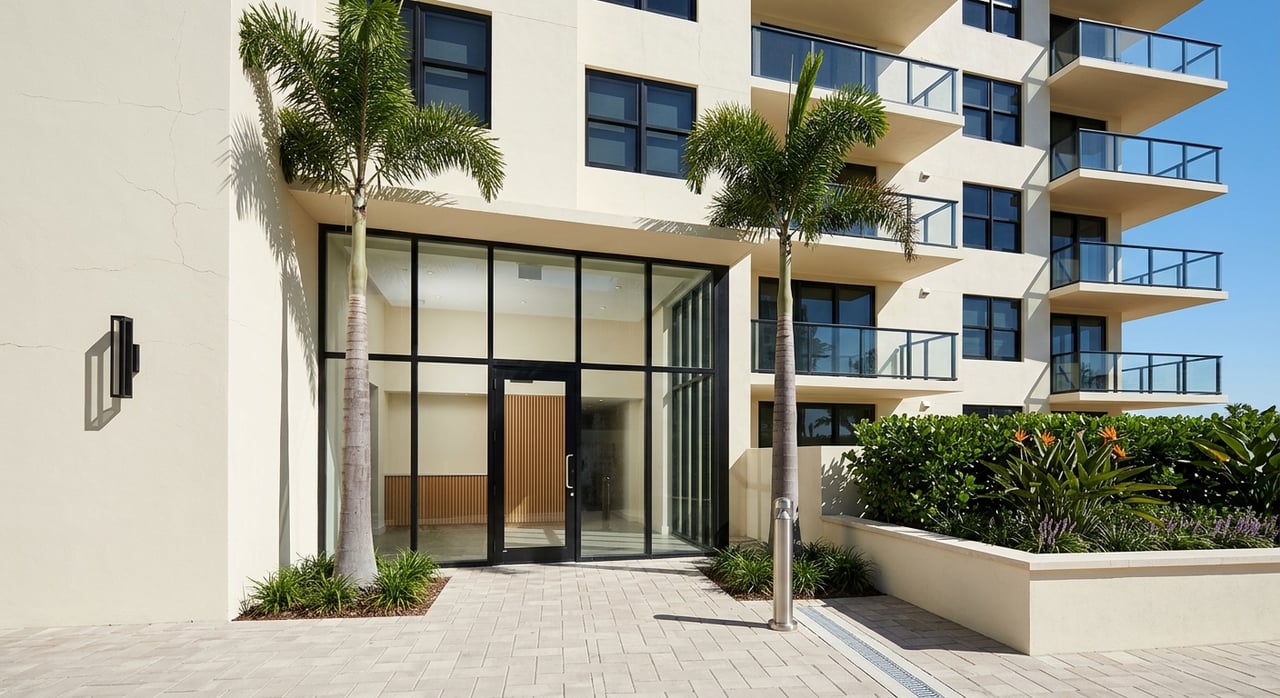
Thinking about buying a condo in Bradenton? It can be a smart way to enjoy Gulf Coast living, but a condo purchase is not just about the unit, the view, or the amenities. You also need to understand the association, the budget, the building’s condition, and how Florida condo rules can affect your costs and use of the property. This guide walks you through the key details to review so you can make a confident decision. Let’s dive in.
How condo ownership works in Florida
When you buy a condo in Bradenton, you are buying into both a property and a shared system of governance. Your ownership is shaped by the condominium declaration, bylaws, and association rules, not just the listing description.
In Florida, condo associations must keep official records that include the declaration, bylaws, rules, meeting minutes, budgets, accounting records, insurance policies, structural integrity reserve studies, milestone inspection reports, and contracts. Unit owners have the right to inspect those records within 10 working days after a proper written request.
That matters because a condo’s value is tied to more than finishes and location. A well-run building should also have clear documents, accessible records, and a budget that fits the age and condition of the property.
New-construction vs. resale condos
Not every condo purchase follows the same path. If you are buying a developer-owned unit in a new development or conversion, Florida law gives you a 15-day voidability window after you receive the required documents.
That makes due diligence for new condos different from a typical resale. You will want to review disclosures carefully and understand exactly when your review period begins.
What Bradenton condo fees really cover
Monthly condo dues are important, but they are only one part of your ownership cost. Many buyers see the fee amount first, but the smarter question is what that fee covers and what it does not.
Florida law requires associations to maintain adequate property insurance. In many cases, the association’s master policy covers the building as originally installed, while items inside the unit, including personal property and many interior finish components, are often the unit owner’s responsibility.
That means you should not assume the monthly dues fully protect you from insurance costs. You may still need your own policy for interior items and other gaps in coverage.
Insurance questions to ask
Bradenton buyers should ask for current insurance information and deductible levels before closing. You should also confirm whether the association carries flood insurance and whether your lender will require separate flood coverage.
This is especially important on the Gulf Coast, where flood and storm exposure can affect both monthly costs and closing decisions. In some cases, deductibles or uncovered losses can become a common expense or a unit-owner responsibility, depending on the condo documents and the cause of the loss.
Watch for assessments and reserve health
A condo with a low monthly fee is not always the better value. If reserves are weak or major repairs are coming, your total cost of ownership can rise quickly through special assessments or future fee increases.
Florida condo associations can place a lien on a unit for unpaid assessments, and unit owners are responsible for assessments that come due while they own the property. That is why reviewing the association’s financial condition is a key part of buying, not an optional extra.
Ask whether the association has enough reserves for major building components and systems such as:
- roofs
- plumbing
- elevators
- waterproofing
- other large capital repairs
You should also ask about current or planned special assessments, pending repairs, and any major capital projects already under discussion.
Budget timing matters
In Florida, the board must give notice and provide a copy of the proposed annual budget at least 14 days before the budget meeting. The budget also must be adopted at least 14 days before the start of the association’s fiscal year.
For you as a buyer, this timing can help you spot when a fee increase may be approaching. If you are buying near the end of the association’s fiscal year, it is especially important to review the proposed budget, not just the current one.
Bradenton flood and storm due diligence
In Bradenton, storm readiness should be part of your buying decision from day one. Along the Gulf Coast, flood risk is not a side issue. It is part of how you evaluate a condo’s long-term cost and fit.
Manatee County notes that because it participates in the National Flood Insurance Program, separate flood insurance may be required in Special Flood Hazard Areas for federally funded or insured mortgages. Buyers should confirm the unit’s flood zone and ask whether the association already carries flood insurance.
Some coastal barrier areas along the bays may also face limits on insurability for new construction or substantially damaged or improved structures. For that reason, it is wise to verify flood exposure, insurance details, and lender requirements early in the process.
Older buildings need closer review
If you are considering an older mid-rise or high-rise condo in Bradenton, take extra time on building condition. In Florida, residential condominium and cooperative buildings that are three or more habitable stories are subject to milestone inspections at 30 years and every 10 years after that, or 25 years in some local circumstances.
Florida also requires structural integrity reserve studies to help fund future repairs to major structural systems. For a 2026 buyer, DBPR says unit-owner-controlled associations existing on or before July 1, 2022 were required to complete a SIRS by December 31, 2025.
That means you should ask for the completed study and review whether it changed reserve funding or led to new assessments. If a phase-2 milestone inspection identified repair work, DBPR says that work must begin within 365 days unless local government requires sooner.
Records that should be available
Before you move forward, ask for records that help you understand both the building and the association. These documents can tell you far more than a showing ever will.
Request:
- the declaration, bylaws, rules, and amendments
- the current budget and prior-year budgets
- the most recent reserve study
- any structural integrity reserve study reports
- any milestone inspection reports
- current insurance information and deductibles
- any list of special assessments, lawsuits, or capital projects
- rental rules and tenant approval requirements
- pet policies and the process for assistance-animal accommodations
As of January 1, 2026, condominium associations with 25 or more non-timeshare units must maintain a website or mobile app with posted records and owner access credentials. If the building falls into that category, ask whether the required records are available there.
Pet and rental rules can shape your experience
A condo may look perfect on paper, but the rules may not fit how you plan to use it. That is why pet rules and rental rules deserve a close read before you make an offer or during your inspection and escrow period.
The declaration and bylaws usually control these issues, and amendments must be recorded. If association approval is required for a sale, lease, sublease, or transfer, state law caps the transfer fee at $150 per applicant when the condo documents allow approval of the transaction.
If you are buying as a seasonal resident, future landlord, or second-home owner, review the minimum lease term, tenant approval standards, and any use restrictions. The right condo is the one whose rules match the way you actually plan to live in or hold the property.
Closing costs and property taxes to plan for
Your condo costs do not stop with the purchase price and monthly dues. In Florida, condo transactions can include association paperwork fees and local property-tax considerations that affect your budget after closing.
DBPR publishes fee caps of no more than $299 for estoppel certificate preparation and delivery, with possible add-ons for expedited service or delinquency. If the condo documents require approval of a sale or lease transfer, the association may also charge up to $150 per applicant.
Property taxes in Manatee County are separate from HOA dues. The Property Appraiser establishes assessed value and exemptions, while the Tax Collector sends the bill.
If the condo will be your permanent residence, you may qualify for a homestead exemption that can reduce assessed value by up to $50,000, with a March 1 application deadline. If you are buying a home from a seller with homestead benefits, remember that the seller’s Save Our Homes benefit does not carry over automatically, so taxes may rise after purchase.
How to buy smarter in Bradenton
The best Bradenton condo is not always the one with the flashiest finishes or the widest water view. It is the one that fits your budget, your lifestyle, and the building’s actual financial and physical condition.
A smart condo search should include questions about reserves, insurance, flood exposure, inspections, rental policies, and future assessments. When you review those items early, you can compare opportunities with more confidence and avoid surprises after closing.
If you want a clear, local perspective on Bradenton condos, waterfront communities, or seasonal purchase options, the team at Smith Garcia Group can help you evaluate both the property and the bigger picture.
FAQs
What documents should you review before buying a condo in Bradenton?
- You should review the declaration, bylaws, rules, amendments, current and prior budgets, reserve studies, milestone inspection reports, insurance information, and any records related to special assessments or capital projects.
What do condo fees usually cover in a Bradenton condo?
- Condo fees often help cover common expenses and association insurance for the building as originally installed, but they may not cover your personal property or many interior unit components.
How do flood zones affect condo purchases in Bradenton?
- Flood zones can affect insurance requirements, lender conditions, and total ownership cost, so you should confirm the unit’s flood zone, the association’s flood coverage, and whether separate coverage will be required.
Why are reserve studies important when buying a Florida condo?
- Reserve studies help show whether the association is planning and funding future repairs to major building systems, which can affect monthly fees and the risk of special assessments.
What should seasonal buyers ask about Bradenton condo rental rules?
- Seasonal buyers should ask about minimum lease terms, tenant approval requirements, transfer approval rules, and any restrictions that could affect future rental use.
How can property taxes change after buying a condo in Manatee County?
- Property taxes can rise after purchase because a previous owner’s homestead-related tax benefit does not automatically transfer to you, and your new assessed value may differ from the seller’s tax history.