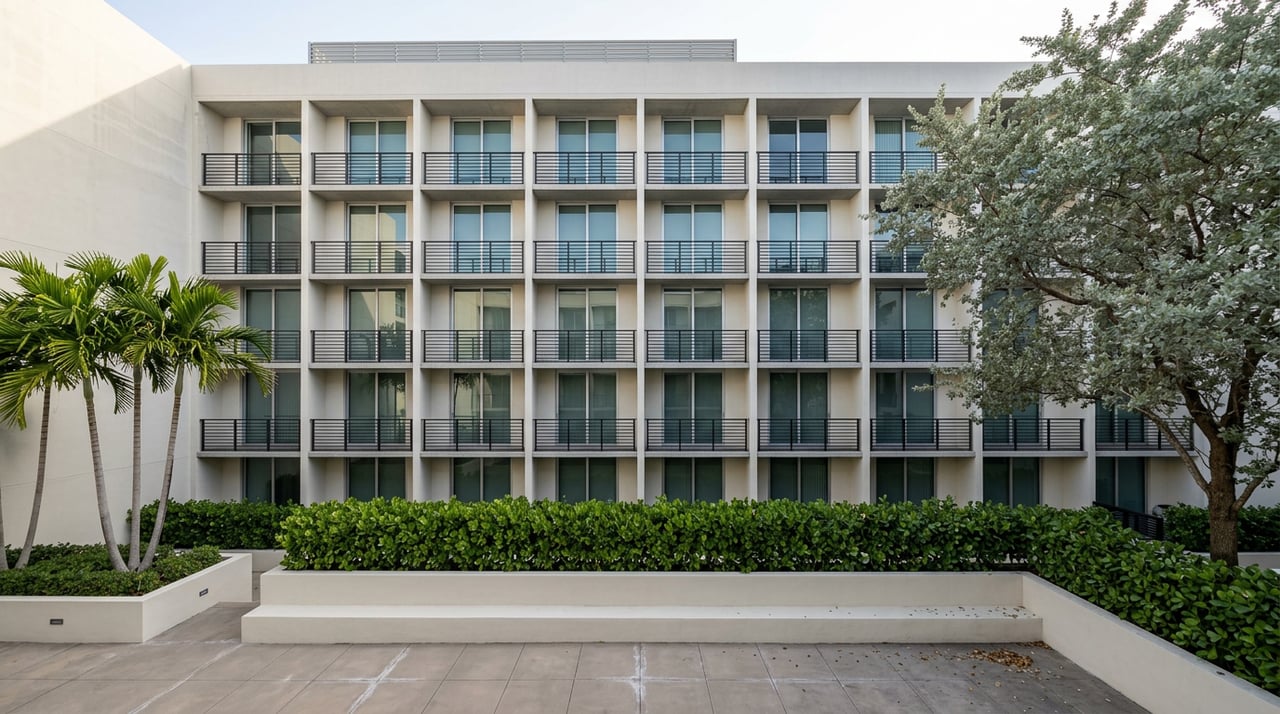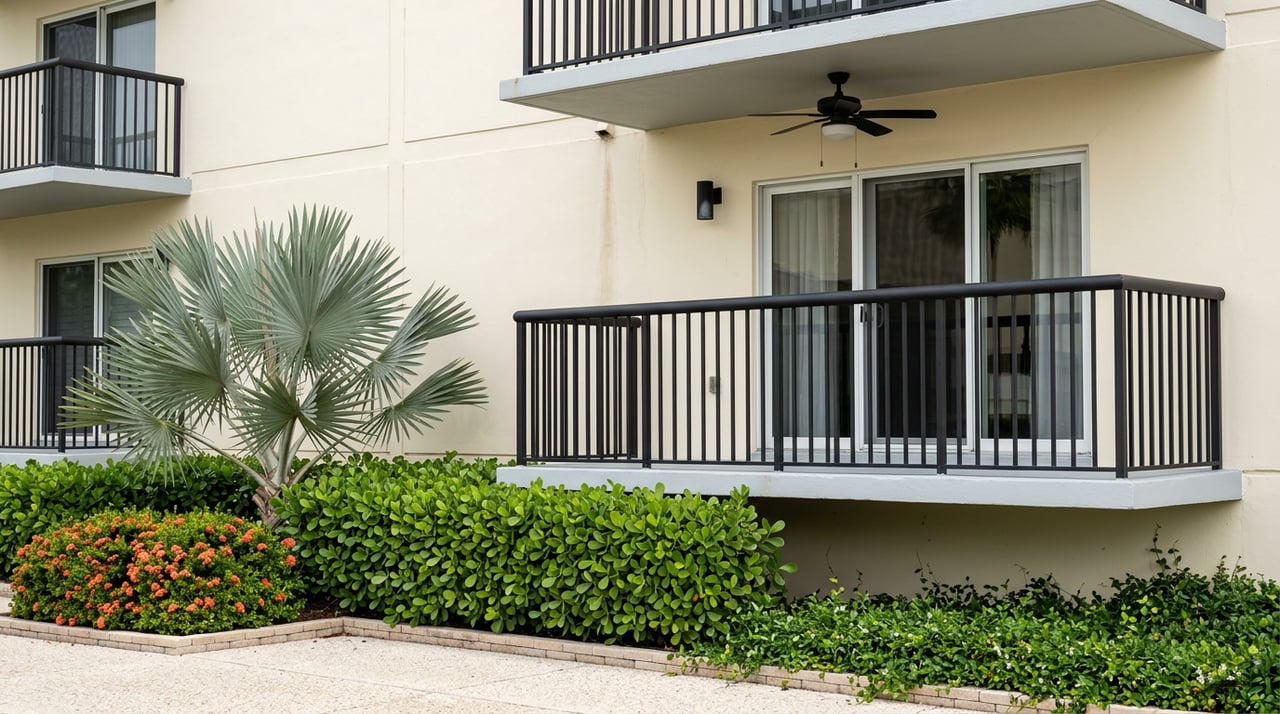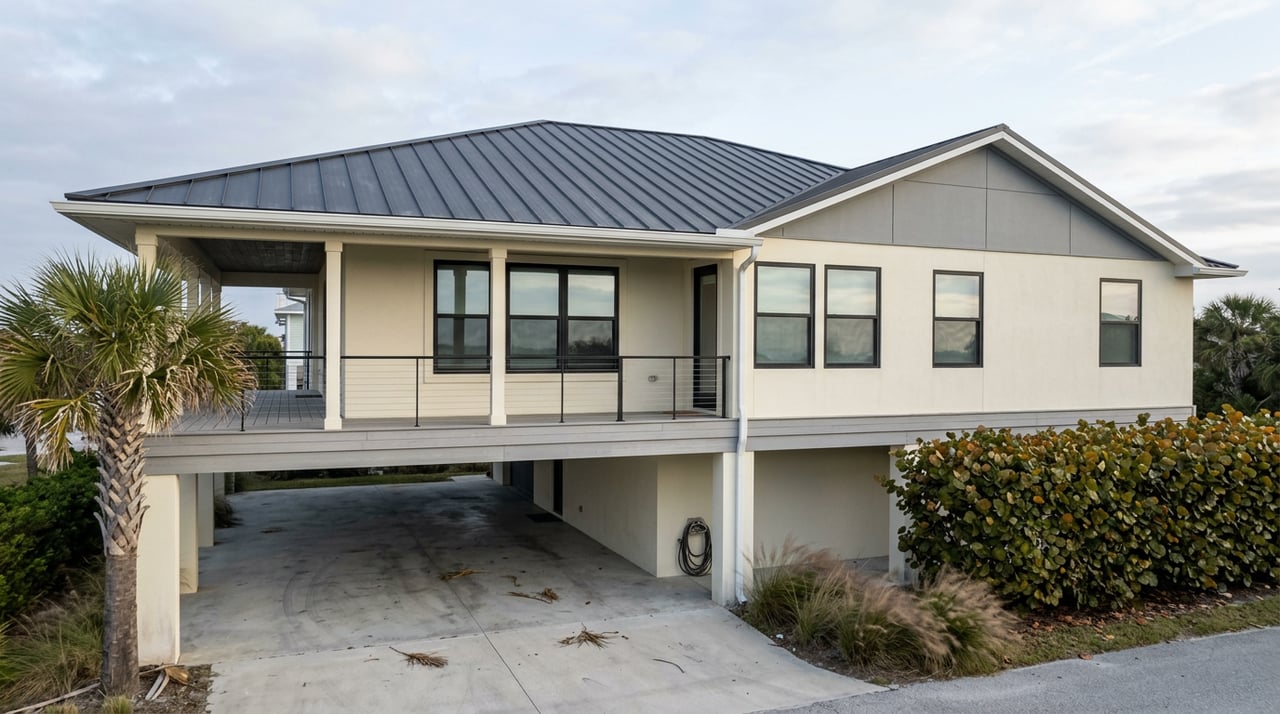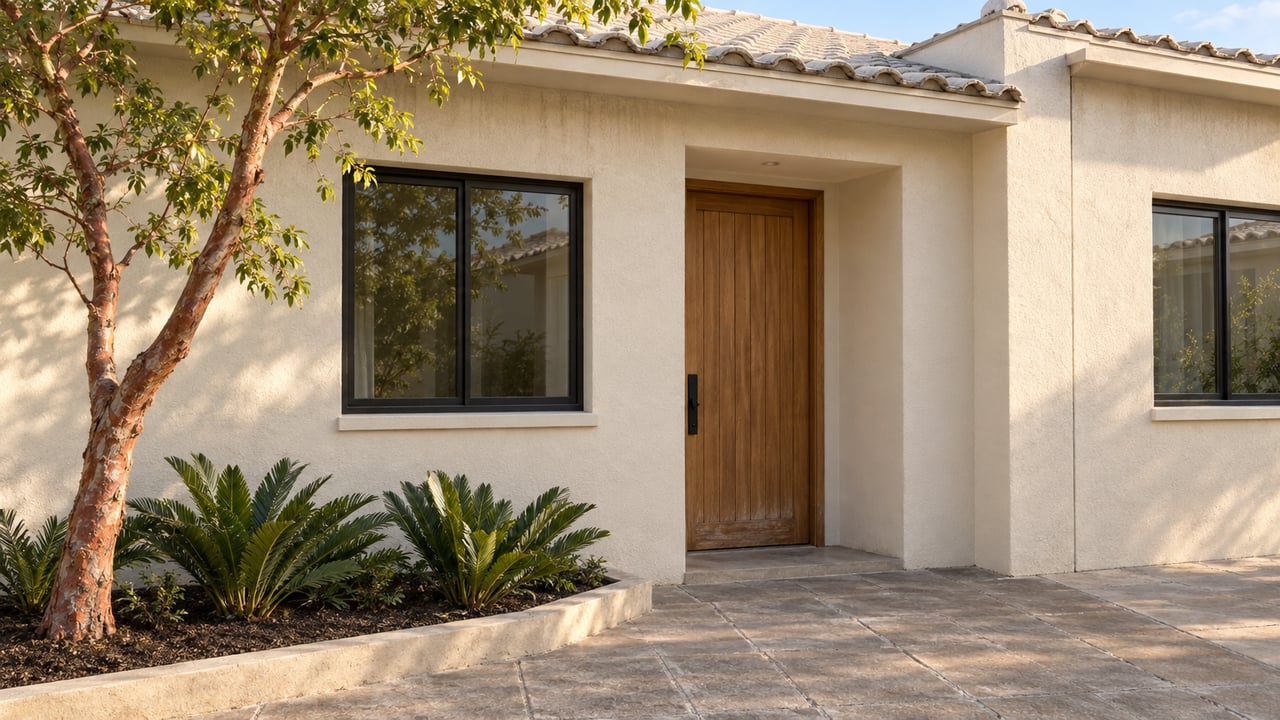
Walk through a showing at Cambridge Village, the 55-plus villa community off Bayshore Gardens Boulevard in southwestern Bradenton, and the listing sheet will describe a two-bedroom, two-bath attached home built in 1973 or 1974, priced somewhere between $242,500 and $329,900 depending on updates. What the sheet will not tell you is whether your lender is about to treat that villa as a single-family home with a shared wall or as a condominium unit inside a project that now has to clear a federal underwriting review it didn't need back in July.
That distinction sat quietly in the fine print for years, because enough buyers put down enough money to qualify for a streamlined loan review that skipped it. As of August 3, 2026, Fannie Mae and Freddie Mac retired that shortcut nationwide, and CNBC reported the change could touch roughly 40 percent of past condominium purchases that relied on it. For anyone comparing Bradenton neighborhoods where duplexes, villas, and quadruplexes all carry the same "attached" tag as an actual high-rise, the word on the listing sheet just started doing a different job than it did this summer.
A Villa With Two Labels
Cambridge Village is a useful place to see the problem, because its own listing data carries it both ways. Public property profiles for the community list the housing type as "Attached Home, Condo, Townhouse, Loft, etc." and "Single-Family Home" in the same breath. Walk the property and you'll understand why: private entries, screened lanais, individual patios, a one-story footprint that reads like any standalone villa in the area.
But the monthly fee tells a different story. At $180 to $194 a month, it covers exterior maintenance, lawn care, and common areas, along with access to a clubhouse, a heated pool, and shuffleboard courts. Under Florida condominium law, exterior maintenance responsibility usually means the roof and exterior walls are common elements owned collectively, not by the individual homeowner. That's the legal signature of a recorded declaration of condominium, not a fee-simple HOA where each owner holds title to the land under their own unit. You cannot see that distinction from the curb, and you cannot see it in a photo of a screened lanai. You can only see it in the recorded documents.
Why the Difference Used to Not Matter Much
For most of the last decade, that ambiguity rarely affected a closing timeline. If a buyer put down 10 percent or more on a primary residence, lenders could use Fannie Mae's Limited Review or Freddie Mac's Streamlined Review, verifying basic property data and simple insurance coverage without examining the association's full financial picture. An attached, condo-classified villa in an older Bradenton community could close about as fast as a detached single-family house, because the shortcut absorbed the gap between the two.
What Changed on August 3
Fannie Mae and Freddie Mac announced coordinated updates on March 18, 2026, and the most disruptive piece landed on August 3. On that date, the Limited Review and Streamlined Review pathways were retired for conventional loan applications, and any condominium project with more than 10 units now defaults to Full Review, regardless of the buyer's down payment. Full Review means the lender examines the association's budget, reserve funding, delinquency rate, litigation history, and master insurance policy before the loan can be sold to Fannie or Freddie. If identified critical repairs exceed $10,000 per unit and the association hasn't funded them, the project becomes ineligible for that financing until the shortfall is resolved.
A few other dates bracket that change and matter to anyone touring attached listings in Bradenton this fall:
| Date | What took effect |
|---|---|
| March 18, 2026 | Fannie Mae retired the requirement that new or converted Florida condo projects with attached units go through its Project Eligibility Review Service, shifting them to lender-delegated Full Review instead |
| July 1, 2026 | Master insurance policies were capped at a $50,000 per-unit deductible; associations above that cap require unit owners to carry a personal HO-6 policy that bridges the gap |
| August 3, 2026 | Limited Review and Streamlined Review eliminated for applications dated on or after this date; projects over 10 units default to Full Review |
| January 4, 2027 | Minimum reserve funding rises from 10 percent to 15 percent of annual budgeted assessment income, not yet in force |
Three of those four dates have already passed. Only the reserve increase is still ahead of us, which means a Bradenton association budgeting at the old 10 percent minimum today isn't out of compliance yet, but it will need to adjust before January.
The Number the Listing Sheet Doesn't Show You
Here's the part that actually determines what happens to your closing timeline, and it isn't the word "attached." Projects with 10 or fewer units, provided they aren't part of a larger master association and carry proper insurance, still qualify for a Waiver of Project Review. That means a small four-unit quadruplex tagged "attached" in the Bradenton MLS could sail through with minimal documentation, while a villa in a 40-unit association with the identical floor plan and the identical "attached" tag now sits under mandatory Full Review.
You can't tell which one you're looking at from the model home or the listing photos. Two attached villas a block apart in Bradenton can carry the same architectural description and completely different financing paths, because what actually governs the review isn't the shared wall, it's how many units share the same recorded declaration. That number lives in the condominium documents, not the marketing copy, and it's worth asking for before you get attached to a floor plan.
What This Means If You're Comparing Attached Listings This Fall
A few questions are worth asking before you write an offer on anything carrying the attached label in Bradenton:
- How many units share this property's recorded declaration? Ten or fewer keeps the waiver in play. More than ten means Full Review applies by default.
- What does the most recent reserve study show, and what percentage of the budget currently funds reserves? The 15 percent requirement isn't active yet, but a study already running behind that number is worth knowing about early.
- What's the master policy's per-unit deductible, and if it's above $50,000, does the association require owners to carry a bridging HO-6 policy?
- Has the association ever had unfunded critical repairs flagged, and were they resolved before listing?
There's a reassuring nuance buried in all of this. Once a lender completes a Full Review and a project clears it, that approval stays on file in the Fannie Mae and Freddie Mac systems for future transactions, so it typically isn't repeated for every subsequent buyer in the same complex. A longer closing today, in other words, is more often a one-time cost the association absorbs than a recurring tax on every future resale.
A Few Quick Answers
Does this apply to a fee-simple HOA where the homes just happen to share a wall? No. Single-family HOAs aren't subject to Full Review, only recorded condominium projects. This is exactly why confirming which structure a Bradenton community actually operates under matters more than trusting the word "attached" on its own.
Is the 15 percent reserve rule already affecting associations? Not yet. It applies to loan applications dated on or after January 4, 2027. An association budgeting at the old 10 percent minimum today isn't out of compliance, but boards that wait until the deadline to adjust dues will be doing it under more pressure than boards that start now.
Does any of this matter to a cash buyer? Not at closing. These are underwriting requirements tied to loans sold to Fannie Mae or Freddie Mac, so a cash purchase bypasses them entirely. A cash buyer still inherits whatever reserve funding or insurance gaps exist in the association after closing, which can surface later as a special assessment.
If you're weighing an attached villa against a detached single-family home in Bradenton this fall, the conversation worth having before you write an offer isn't about the floor plan. It's about what's recorded behind it. Smith Garcia Group walks buyers through that distinction on every attached listing we show, from the Bradenton attached-home communities we track to the condominium documents that actually determine your financing path. Schedule Your Market Consultation and we'll pull the declaration before you fall for the lanai.