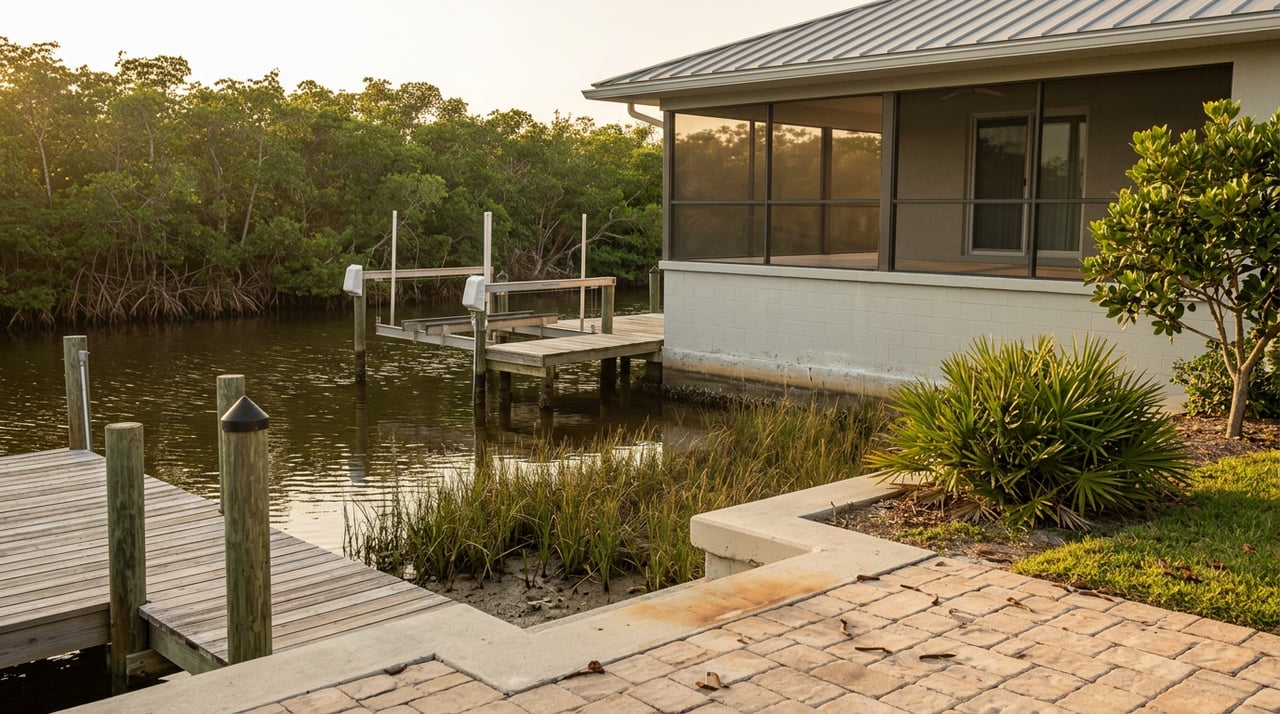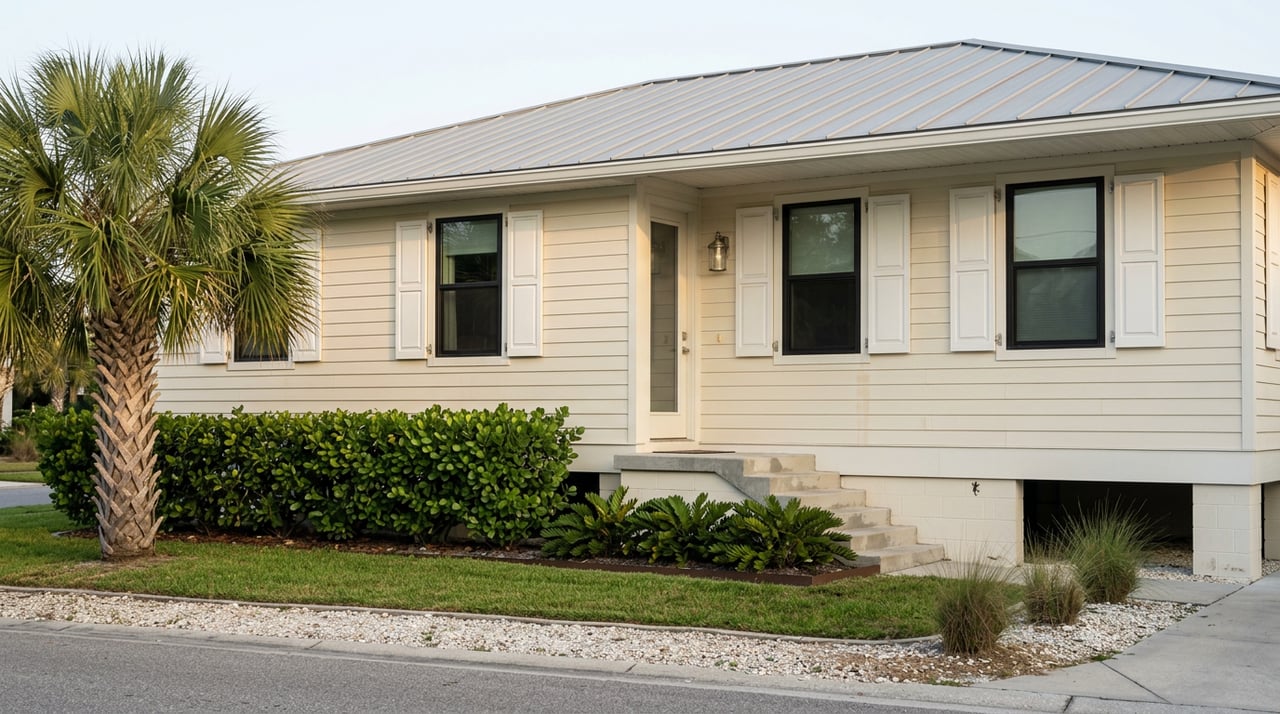
Two listings, same street, same association name, same $340 monthly fee. One buyer walks the first unit, sees the heated pool and shuffleboard courts, and assumes the fee covers what it always covers: landscaping, insurance, a little cushion for the roof. The second listing has an identical pool. Identical courts. Same $340 figure on the listing sheet. But buried in the condo documents is a line most buyers never read: a recreational facilities lease, separate from the assessment, with its own rent schedule and its own escalation clause.
Those two units are not the same purchase. One buyer owns a share of the amenities they're using. The other is renting access to a pool someone else still owns, and has agreed, as a condition of buying the unit, to keep paying that rent indefinitely.
That distinction is what the MLS field "Association Recreation - Lease" is flagging, and it's worth fifteen minutes of reading before you write an offer on any Bradenton condo where that box is checked.
The Checkbox Isn't a Marketing Term
In a standard Florida condominium, the association owns the pool, the clubhouse, and the land under both. Your monthly assessment funds upkeep and reserves for those shared assets, and you hold an undivided interest in them the same way you hold an interest in the roof over your own unit.
A recreational facilities lease works differently. The original developer, or an entity connected to the developer, keeps ownership of the recreational land and structures after the units sell. The association then leases that property back on behalf of the owners, often for a term running fifty to ninety-nine years. Florida law is explicit that this arrangement has to be disclosed before you ever sign a contract, and the disclosure language isn't buried in small print. It has to appear in conspicuous type in the developer's prospectus.
"THERE IS A RECREATIONAL FACILITIES LEASE ASSOCIATED WITH THIS CONDOMINIUM"
If membership in that lease is mandatory, the disclosure has to say that too, in equally blunt terms:
"UNIT OWNERS ARE REQUIRED, AS A CONDITION OF OWNERSHIP, TO BE LESSEES UNDER THE RECREATIONAL FACILITIES LEASE"
That's not boilerplate. Florida's condominium statute requires this exact framing because lawmakers wanted buyers to see the arrangement for what it is before closing, not after the first fee increase.
Two Bills, Not One
Here is where the math changes for a buyer comparing communities on assessment alone. In a rec-lease community, the monthly fee you see on a listing sheet is often only part of the picture. The rec-lease payment is a second, separate obligation, legally structured as rent to the facility's owner, not as a contribution to the association's reserve fund.
That distinction matters because rent behaves differently than a reserve contribution. A reserve contribution builds equity in something the ownership group controls. Rent goes to a landlord who has no obligation to reinvest it in the property beyond what the lease requires, and older leases in Florida frequently include escalation clauses tied to the Consumer Price Index or to fixed percentage bumps at set intervals. Florida has since prohibited CPI-indexed escalation clauses in new recreational leases written for residential communities, which tells you something about how these clauses were being used before the law changed. That prohibition does not reach backward. A lease signed decades ago with a CPI clause still has it, and the association still owes whatever the index says it owes.
Three Ways the Arrangement Gets Expensive
The escalation clause runs on its own schedule. If the lease predates the CPI ban, the rent owners pay can climb every year regardless of what the association's budget looks like, and unlike a special assessment, owners don't get to vote on it.
Non-payment carries its own lien. Florida statute requires developers to disclose, in conspicuous type, whether a lien or lien right exists against each unit specifically to secure rent payments under the lease.
"THERE IS A LIEN OR LIEN RIGHT AGAINST EACH UNIT TO SECURE THE PAYMENT OF RENT"
That lien sits alongside, not instead of, the association's normal assessment lien. Falling behind on the rec-lease payment can put a unit at risk even if regular dues are current.
Buying out the lease takes a supermajority, not a simple vote. Florida's condominium act gives associations the power to purchase the underlying land or recreation lease outright, ending the arrangement for good. But if the declaration doesn't specify a threshold, state law sets it at seventy-five percent of unit owners. Getting three out of four owners to agree to a large one-time assessment, in a building where some owners are seasonal and hard to reach, is its own project.
The Financing Catch Nobody Mentions Until the Underwriter Does
Recreational lease condos have a reputation among mortgage lenders that most buyers only discover mid-transaction. Conventional and agency financing can be harder to secure for a unit tied to a rec lease, and buyers often end up working with lenders who specialize in these arrangements and typically require around twenty percent down. That's not a rule that shows up on the listing. It shows up when your loan officer runs the condo questionnaire and flags the recreational lease as a project-approval issue.
This friction has gotten sharper across Manatee and Sarasota counties for reasons that have nothing to do with rec leases specifically. Since 2022, condo fees in the region have climbed twenty to forty percent at many properties, driven by insurance premium spikes and the reserve funding requirements that followed the state's post-Surfside milestone inspection and structural integrity reserve study mandates, which took full effect at the end of 2024. Lenders reviewing any condo project now scrutinize the association's budget more closely than they did five years ago. A recreational lease payment sitting outside the normal budget, with its own escalation risk, is exactly the kind of line item that draws a second look.
Not the Same Thing as a Land Lease
Buyers sometimes conflate a recreation lease with a land lease, and the two create different exposure. A land lease means you own the home itself but not the ground it sits on, an arrangement common in Bradenton's 55+ manufactured home communities. Hawaiian Village, a 265-site 55+ manufactured home community, and Waterside Club, which is currently marketing a ten-year land-lease incentive to buyers, both operate on leased land, where residents pay a separate monthly lot rent in addition to any HOA dues. Other Bradenton communities take the opposite approach and put the ground itself in the owner's name. Trailer Estates Park and Recreation District, a deed-restricted community of more than 1,250 privately owned properties between US 41 and Sarasota Bay, and Casa Loma, where residents specifically note they own both the home and the land beneath it, structure ownership so there's no lot rent to pay at all.
A recreation lease is narrower. You own your condo unit and the land under the building outright. What you don't own is the pool deck, the tennis courts, or the clubhouse, even though your monthly bill funds access to all three. It's the difference between renting your whole house and renting just the backyard.
| Structure | What you own | What you pay for separately | Typical setting in Bradenton |
|---|---|---|---|
| Standard HOA/condo | Unit plus shared interest in amenities | Nothing beyond regular assessment | Most gated single-family and condo communities |
| Recreation lease | Unit and building land outright | Rent on the pool, clubhouse, or courts | Some older 55+ condo associations |
| Land lease | The home structure only | Monthly lot rent for the ground beneath it | 55+ manufactured home communities |
Before You Write an Offer
If a listing shows "Association Recreation - Lease" as a community feature, request these documents before your offer goes in, not after:
- The full recreational facilities lease, including the current rent schedule and any escalation clause
- Confirmation of whether the lease predates or postdates Florida's CPI escalation ban
- The declaration's buyout provision, and whether it defaults to the statutory seventy-five percent threshold
- The most recent estoppel certificate, showing whether rec-lease payments are current
- Written confirmation from your lender that the loan program you're using accepts recreational lease financing
None of this should scare a buyer away from a community with genuinely good amenities. It should change what you're comparing when the fee on two listings looks the same. For a broader look at what to check before buying into any Bradenton condo association, our guide to buying a condo in Bradenton covers the estoppel and reserve questions worth asking regardless of lease structure. Owners weighing a similarly unconventional ownership arrangement may also want our look at what a co-op purchase on Anna Maria Island actually buys you, which walks through a different kind of underwriting friction with the same underlying lesson: read the structure before you read the price.
FAQ
Is a recreation lease the same as a land lease? No. A land lease means you don't own the ground beneath your home, common in Bradenton's manufactured home communities. A recreation lease means you own your unit and its land outright but pay rent on shared amenities like the pool or clubhouse that a separate party still owns.
Can I ask the seller for the lease terms before making an offer? Yes, and you should. The recreational facilities lease, its rent schedule, and any escalation clause are part of the condominium documents a seller is required to make available, and reviewing them before you write an offer is far easier than discovering a rent increase after closing.
Does a recreation lease affect resale value? It can. Buyers financing with conventional loans sometimes need to seek out lenders who specialize in recreational lease condos, and that narrower buyer pool can affect how quickly a unit sells and at what terms.
What happens if the association can't reach the vote threshold to buy out the lease? The lease continues on its existing terms, including any escalation clause, until the term expires or a future vote succeeds. This is why reviewing the buyout provision and the lease's remaining term matters as much as reviewing the current rent.
Understanding which structure sits beneath a Bradenton listing is exactly the kind of detail that changes an offer strategy, and it's the kind of read our team does on every property we represent. If you're comparing communities and want the lease and reserve documents reviewed before you commit, reach out to Smith Garcia Group to schedule your market consultation.